

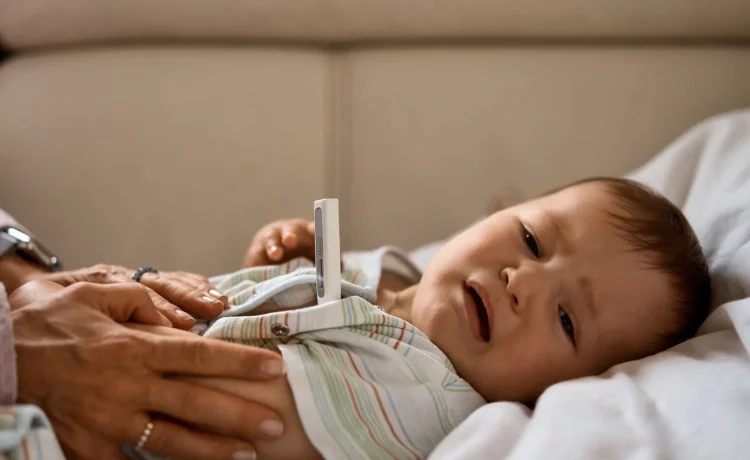
Parents often worry when their child feels warm, becomes irritable, or starts behaving differently. Two common explanations—fever and teething—can look similar at first glance, especially in infants and toddlers who cannot clearly express discomfort. Understanding the differences between these two conditions helps parents respond appropriately and avoid unnecessary anxiety.
Understanding Children Fever
Fever is the body’s natural response to infection or inflammation. It occurs when the immune system raises body temperature to help fight viruses or bacteria.
In most cases, fever in children is defined as a body temperature of 38°C (100.4°F) or higher when measured rectally. Fever itself is not a disease but a sign that the body is reacting to something, such as a viral infection, bacterial illness, or, less commonly, an inflammatory condition.
What Is Teething?
Teething is a normal developmental process in which a baby’s teeth begin to emerge through the gums. This typically starts around six months of age but can vary widely from child to child.
During teething, babies may experience gum discomfort, increased drooling, and changes in behavior. While teething can make a child uncomfortable, it is not an illness and usually resolves once the tooth breaks through the gum surface.
Temperature Changes: Fever vs Teething
One of the most important distinctions lies in body temperature. Pediatric fever involves a measurable rise in temperature above normal limits.
Teething, on the other hand, may cause a slight increase in temperature but not a true fever. A mildly warm forehead or a temperature below 38°C is more consistent with teething discomfort rather than infection. If a child has a high or persistent temperature, teething alone is unlikely to be the cause.
Associated Symptoms of Fever
When fever is present, it is often accompanied by other signs of illness. These may include runny nose, cough, vomiting, diarrhea, poor appetite, or unusual sleepiness.
Children with fever may also appear generally unwell, less playful, or more irritable than usual. Infections can progress quickly in young children, so observing the full range of symptoms is important.
Common Signs of Teething
Teething symptoms tend to be localized around the mouth. Babies may chew on objects, rub their gums, or show increased drooling.
Other signs include swollen or tender gums, mild fussiness, and disrupted sleep. Importantly, teething does not typically cause symptoms such as vomiting, diarrhea, or significant lethargy. If these symptoms are present, another cause should be considered.
Duration and Pattern of Symptoms
Fever caused by infection often follows a clear pattern, lasting several days depending on the underlying illness. The temperature may rise suddenly and fluctuate throughout the day.
Teething symptoms usually come and go and may worsen just before a tooth erupts, then improve afterward. Discomfort from teething is usually short-lived and does not progressively worsen over time.
Behavior and Activity Levels
Children with fever often appear less active and may not want to eat or play. They may seek comfort, sleep more, or seem unusually quiet.
In contrast, teething babies are often fussy but still interested in feeding and interacting between episodes of discomfort. If a child is completely withdrawn or difficult to arouse, fever-related illness should be suspected rather than teething.
When to Seek Medical Advice
Parents should seek medical evaluation if a child has a temperature of 38°C or higher, especially in infants under three months old. Persistent fever, worsening symptoms, or signs such as difficulty breathing, rash, or dehydration require prompt attention.
If children fever is accompanied by seizures, persistent crying, or refusal to drink fluids, urgent medical care is necessary. Teething does not cause severe or alarming symptoms, so any concerning signs should not be attributed to teething alone.
Managing Fever Safely
For fever, supportive care is often sufficient. Ensuring adequate hydration, dressing the child in light clothing, and using fever-reducing medications when appropriate can help improve comfort.
Parents should always follow dosing instructions carefully and consult a healthcare provider if unsure. Treating the underlying cause of fever, rather than just the temperature, is key to recovery.
Easing Teething Discomfort
Teething discomfort can be managed with gentle measures such as clean teething rings, cold washcloths, or gentle gum massage. Parents should avoid using numbing gels without medical advice. Comfort, reassurance, and patience are often the most effective strategies during this normal developmental phase.
Conclusion
Distinguishing between fever and teething is essential for ensuring children receive appropriate care. While teething may cause mild discomfort and irritability, it does not lead to high or persistent temperatures or systemic illness.
By paying attention to temperature readings, associated symptoms, and behavior changes, parents can better identify whether their child’s symptoms are due to illness or normal development. When in doubt, seeking medical guidance ensures safety, peace of mind, and the best possible care for the child.